To understand Ethiopian real estate, you first need to understand that almost everything you know about property from Western markets needs to be recalibrated. The fundamentals are different — and once you understand how, the market becomes much more navigable.
The foundational difference: leasehold, not freehold
In Ethiopia, the state owns all land. What you buy is the right to use that land for a specified period — the lease term. For residential property, this is typically 60–99 years. The lease is your primary legal document, and its validity, remaining term, and the developer's title are the most important things to verify in any transaction.
This is not as scary as it sounds. Leasehold property in Ethiopia is: - Transferable (you can sell it) - Inheritable (your heirs can receive it) - Usable as collateral (you can finance against it) - Government-backed (the state is a stable counterparty for the lease)
How developers acquire and develop land
Ethiopian developers acquire land through government lease auctions or — increasingly — through direct land allocation for approved development projects. The developer's land rights are established before construction begins.
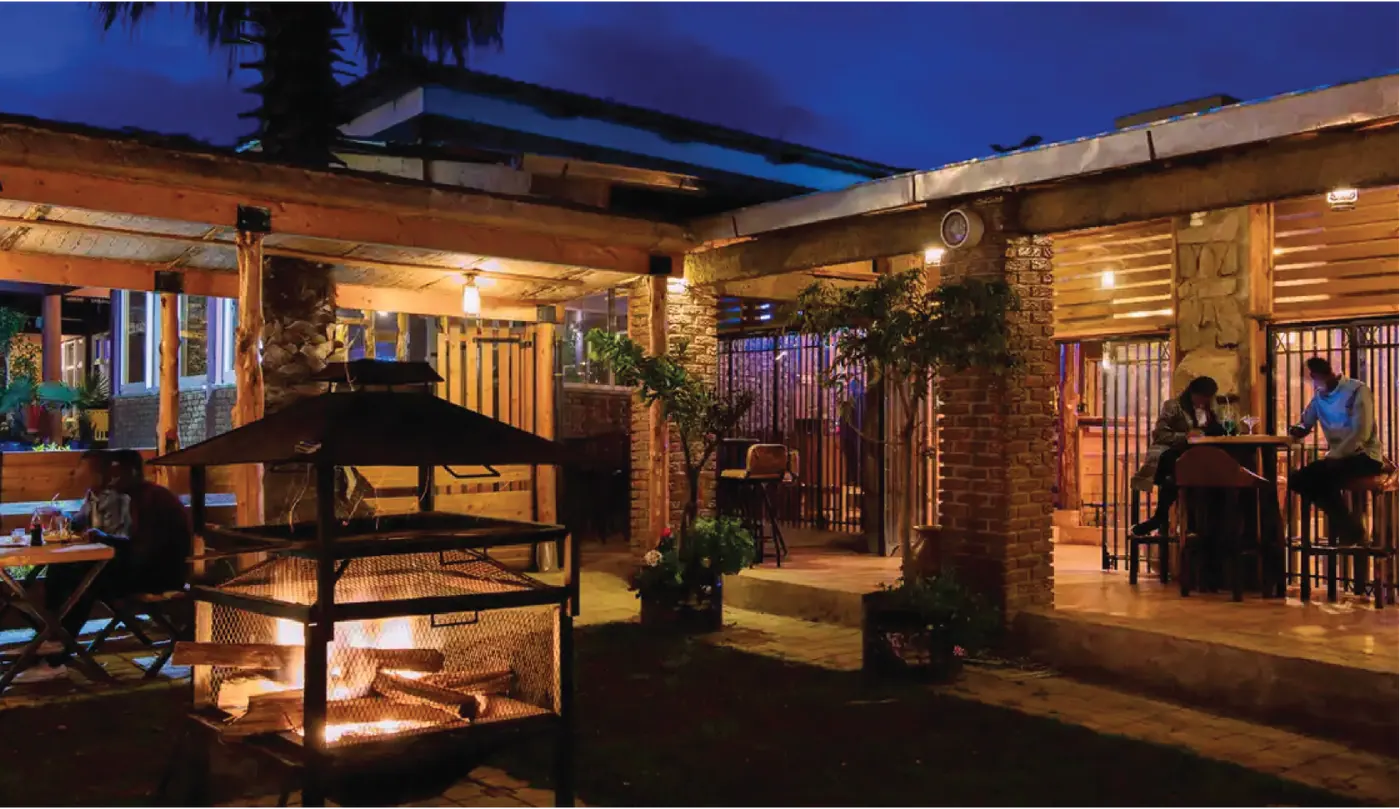
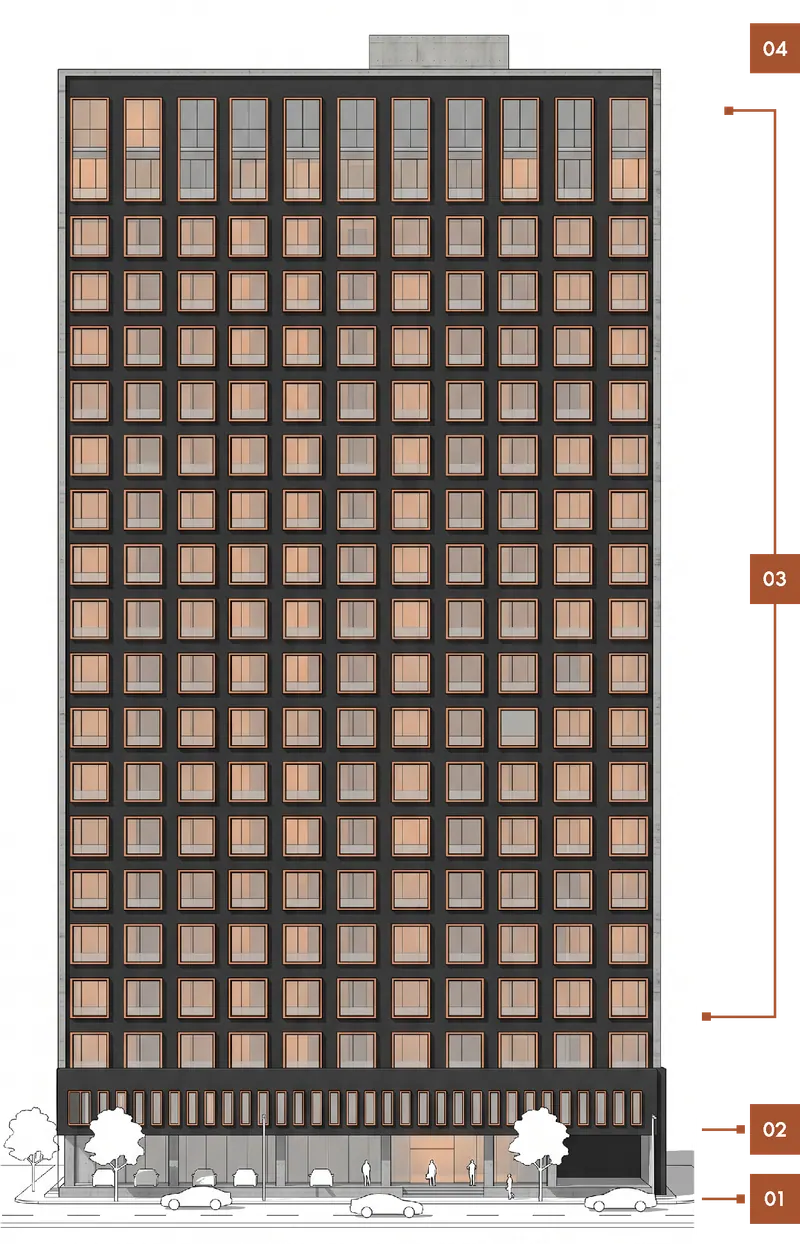
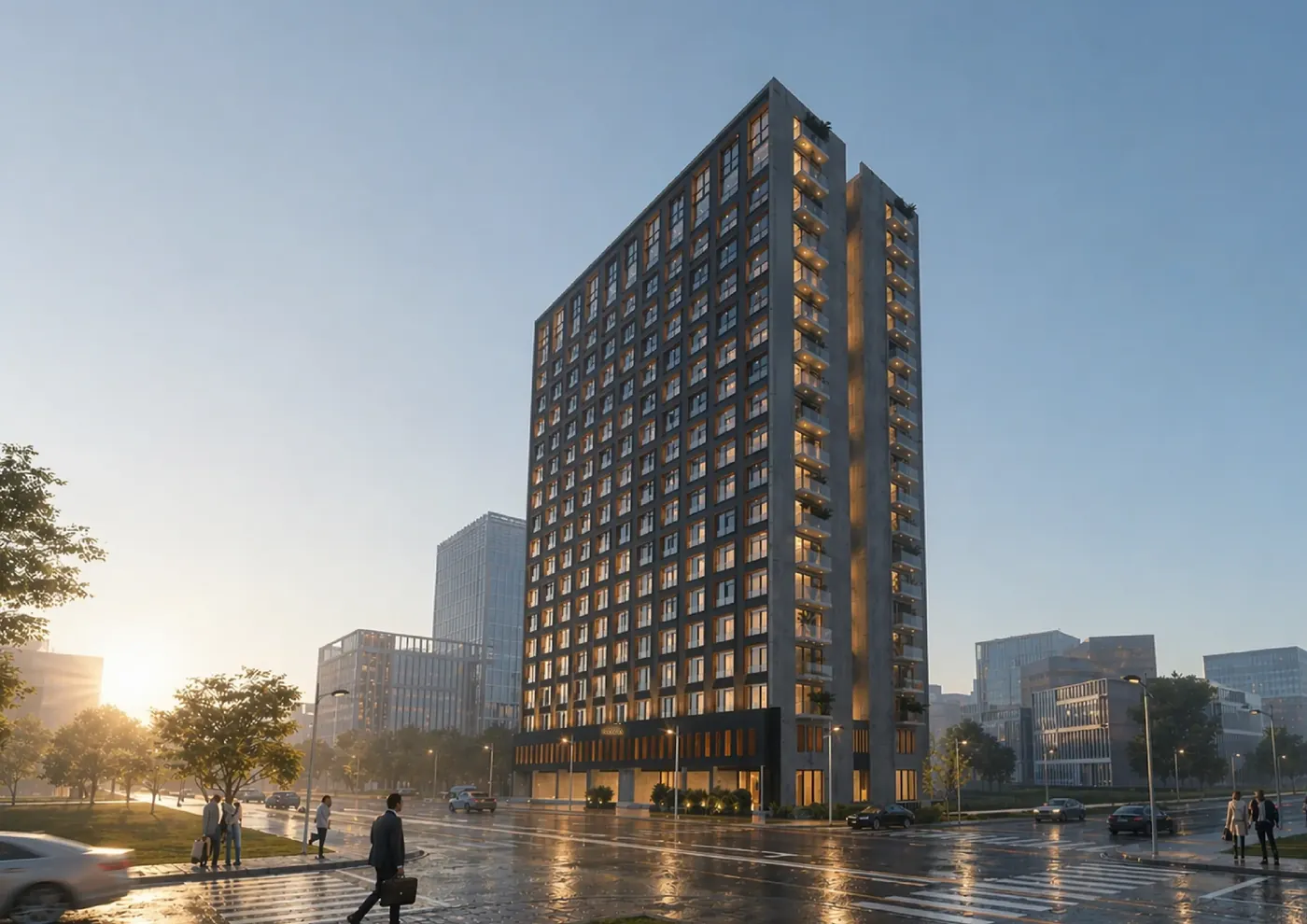
When you buy a unit from Hill Bottom Properties, you are purchasing a portion of our government-allocated lease for Urban Kaza or Hill Bottom Village. At handover, the relevant portion of the lease is transferred to your name — this is the title deed, called the Yidir locally.
The construction and delivery model
Most premium Ethiopian residential development operates on a pre-sale model: units are sold before or during construction, and buyers pay in milestones tied to construction progress. This is similar to off-plan buying in the UK, Australia, or the UAE.
The risk — and where it has historically gone wrong — is developer execution. Some developers have collected deposits on projects that were never completed, or that were completed years late. This is why we emphasize construction progress documentation at Hill Bottom: it is how we prove, repeatedly, that we are executing on our commitments.
New legal developments to understand
Ethiopian real estate law has been evolving. Recent updates have strengthened buyer protections in some areas, particularly around developer licensing requirements and escrow for pre-sale funds. The legal framework is still developing, which is why engaging an independent attorney for any transaction remains essential.
The mortgage market
Ethiopian bank mortgages for residential property are available but limited compared to Western markets. Interest rates are higher, terms are shorter, and loan-to-value ratios are more conservative. Most buyers — including diaspora buyers — self-finance or use developer payment plans.
For diaspora buyers specifically, international mortgage products are generally not available for Ethiopian property, though some innovative financing structures are emerging. Discuss your specific financing situation with our sales team.
What "premium" means in this context
In the Ethiopian market, "premium" means something specific: institutional-grade construction, verified delivery track record, transparent communication, and post-handover support. It does not necessarily mean the highest price per sqm — it means the best risk-adjusted outcome.
Urban Kaza is built to this definition of premium. KONE elevators, fiber optics, full-capacity generators, and fairfaced concrete are not status symbols. They are quality signals that protect value over the long lease term.